
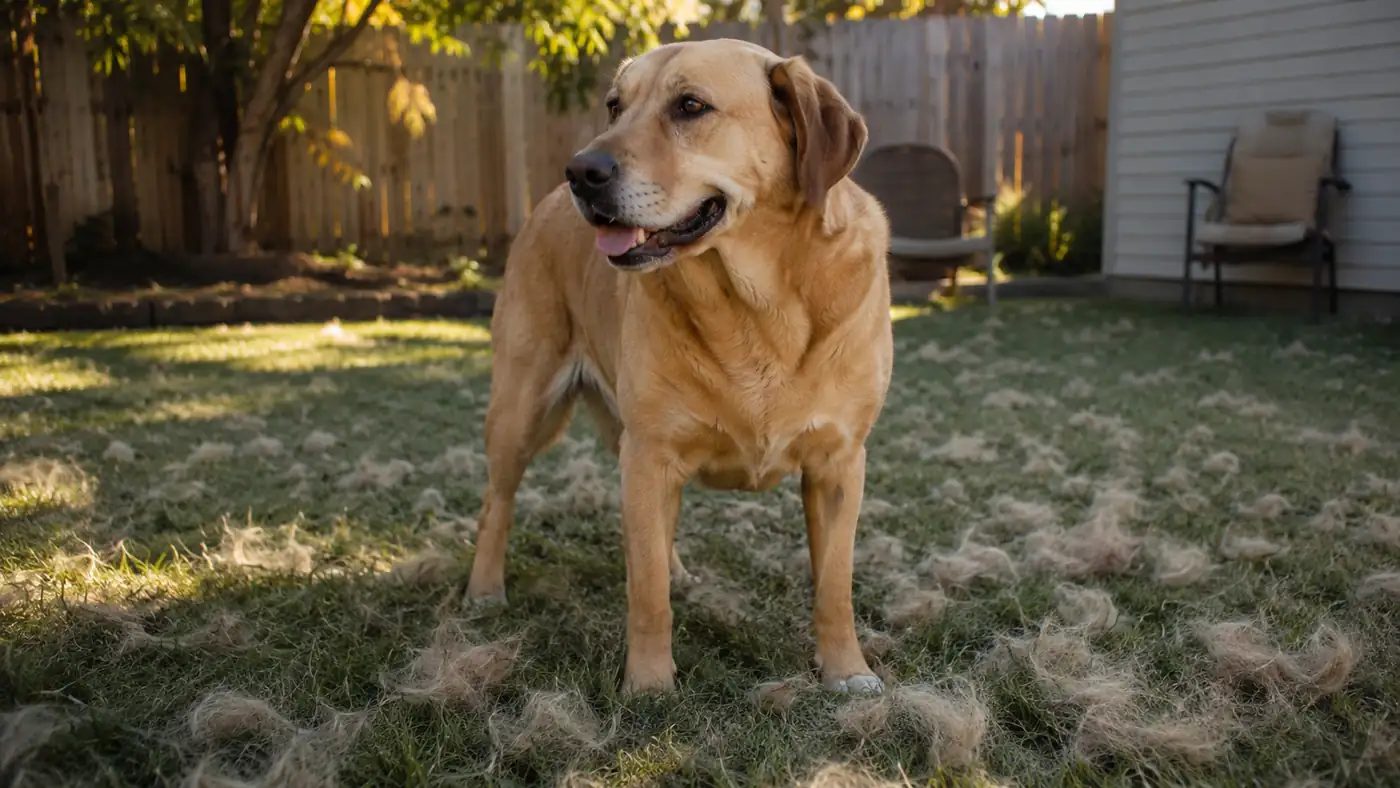
Biscuit is a Lab mix, and if you've never lived with one, the short version is that he sheds like it's his full-time job. Every spring and fall I'd find fur drifting into corners of the living room, clinging to the couch cushions, showing up in my coffee before I'd even sat down with it. I'd tried a couple of cheap slicker brushes from the grocery store aisle before this, and they mostly just moved fur around without actually pulling any of it out. A friend who fosters dogs mentioned the Maxpower Planet rake, the double-sided one with the orange handle, and told me it was the first tool that actually made a dent in her foster's undercoat. I ordered it mostly out of desperation heading into what I knew was going to be a brutal shedding season.
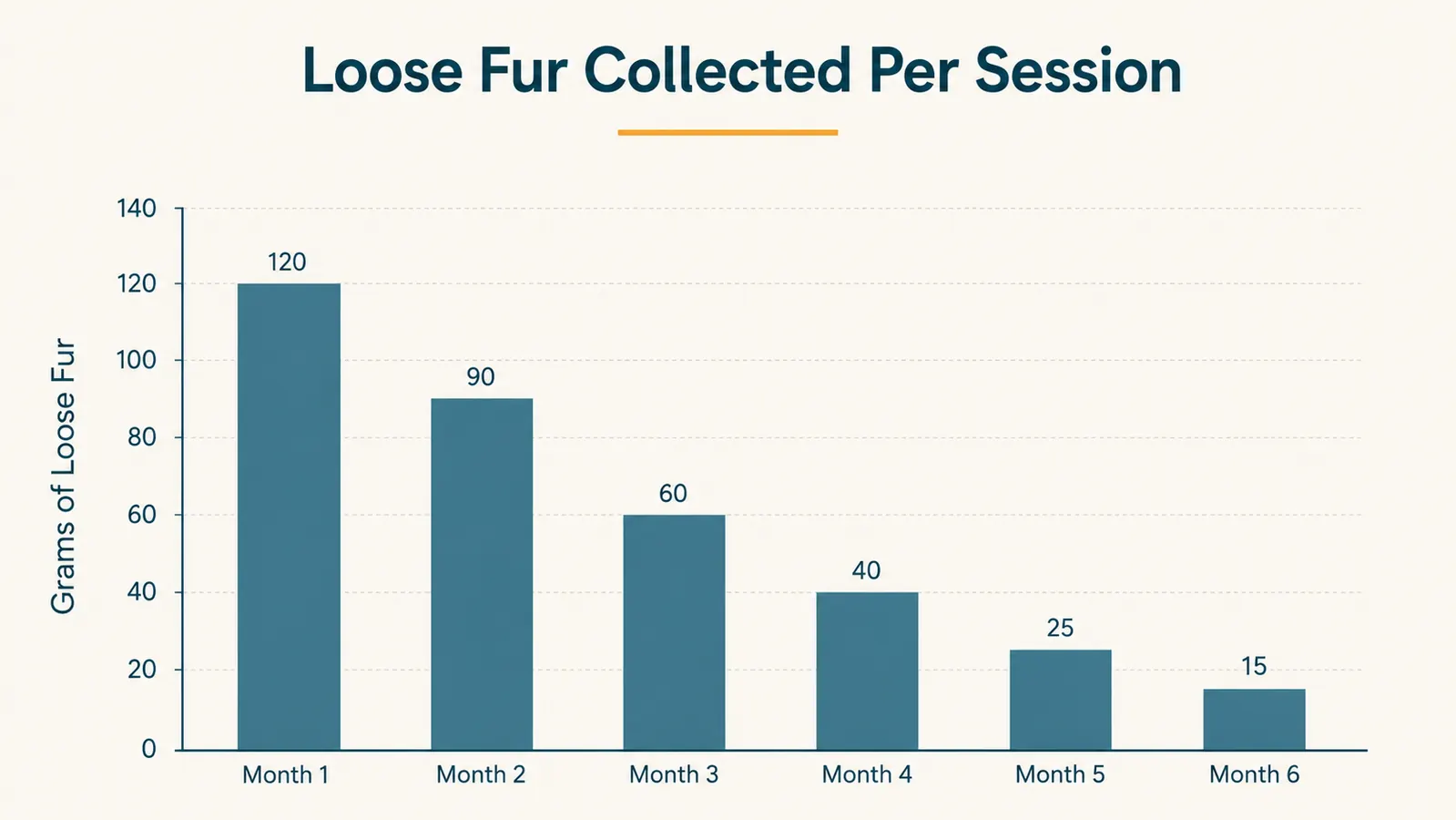
That was six months ago now. I used it on Biscuit roughly twice a week the whole way through, and I want to walk through what actually happened to both the dog and the tool over that stretch, not just the first-week impression, because a lot of grooming tools look great out of the box and fall apart, dull out, or turn out to be uncomfortable to actually use for more than five minutes at a time.
The Quick Verdict
Held up well through a full shedding season, pulled a genuinely surprising amount of undercoat, and the handle stayed comfortable through longer sessions. The main thing to manage is pressure, it's easy to press harder than you need to.
Amazon Check Today's Price →Tired of finding fur in your coffee every shedding season?
Check today's price and current availability for the Maxpower Planet double-sided deshedding rake on Amazon before your dog's next shed cycle hits.
Amazon Check Today's Price on Amazon →How I've Used It
Biscuit is about 62 pounds, medium-length double coat, the kind of coat that looks fine on the surface but is hiding a dense layer of undercoat underneath that only becomes obvious once you start working a rake through it. I brushed him twice a week for most of the six months, and bumped that up to three times a week during the two peak shedding stretches in spring and again in early fall. Each session ran somewhere between eight and fifteen minutes depending on how much undercoat had built up since the last one.
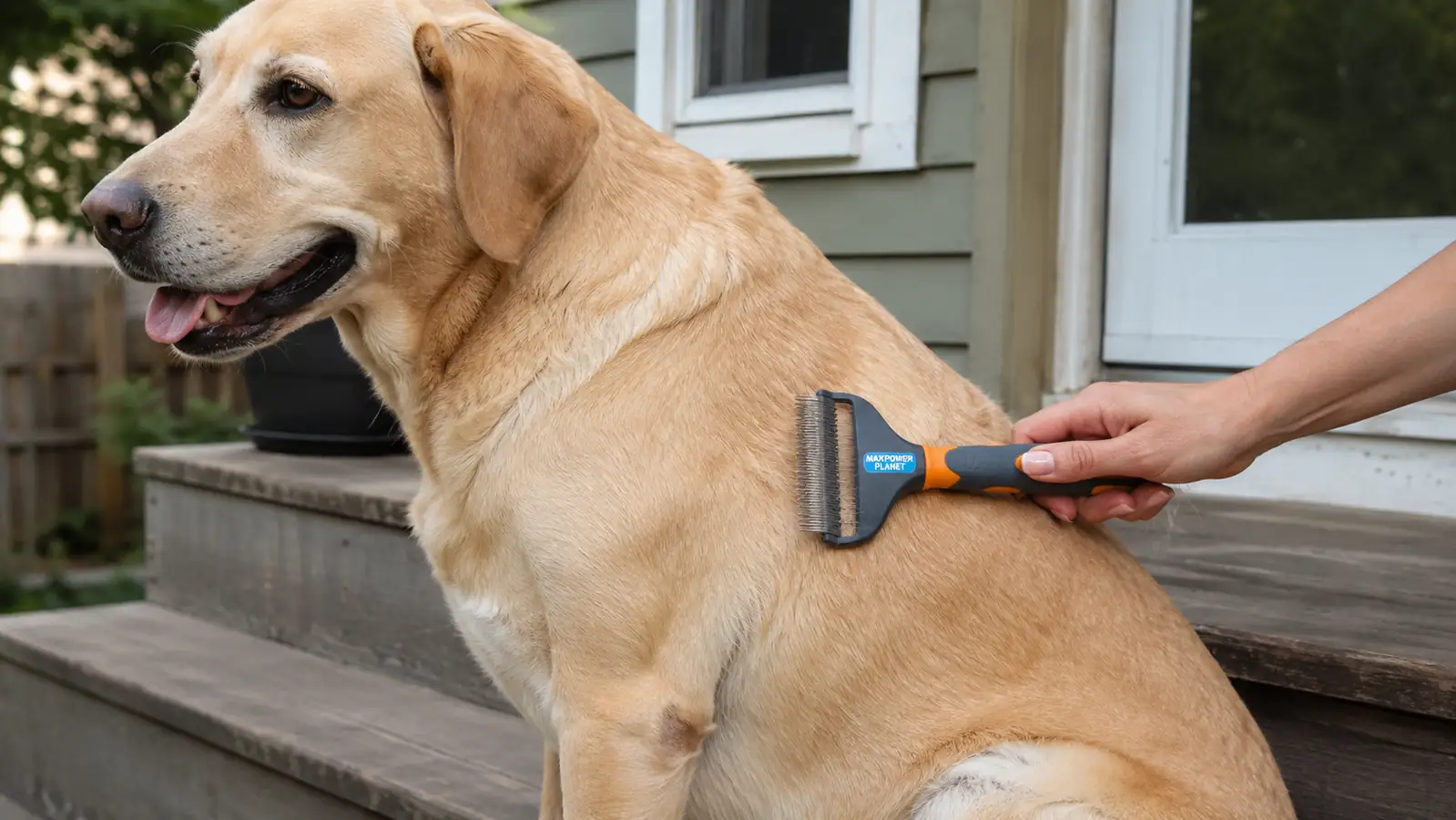
The routine itself is simple. I'd sit him on the porch step, work in the direction of hair growth in short, controlled strokes, and let the wide-toothed side do most of the work through his flanks and haunches where the undercoat is thickest. I'd switch to the finer side around his neck, chest, and the base of his tail, spots where the coat is thinner and I don't want to be aggressive. Maple, our senior Beagle, has a much shorter coat and doesn't really need this level of tool, a plain bristle brush does the job for her, so this rake has stayed a Biscuit-specific tool in our house. I did try it very briefly and very gently on Pepper, our cat, during her spring shed, using only the finer side and barely any pressure at all. It worked, but cats have thinner skin than dogs and I wouldn't recommend it as a regular cat tool without being extremely careful and going slow.
The Double-Sided Design, Explained
What sets this apart from the flat slicker brushes I'd used before is the two distinct sides. One side has wider-set, slightly curved teeth built for pulling loose undercoat out from underneath the topcoat without just skating across the surface. The other side has finer, closer-set teeth meant for lighter detangling and working through smaller mats, the kind that show up behind the ears or around the collar line. Having both on one tool meant I wasn't switching between two separate brushes mid-session, which sounds minor but actually made me more likely to finish a full grooming pass instead of giving up halfway through because I couldn't find the second brush.
The handle is a molded rubber-grip design, wide enough that my hand doesn't cramp up even during longer sessions, which matters more than I expected going in. I have mild arthritis in my thumb joint, nothing serious, but enough that some grooming tools with thin plastic handles start to hurt after a few minutes of repetitive strokes. This one never did, even during the fifteen-minute sessions in peak shedding season when I was working through Biscuit's whole coat in one sitting instead of splitting it across two shorter sessions.
How It Held Up Over Six Months
This is the part I was actually most curious about going in, because I've had cheaper deshedding tools bend or dull within a few weeks of regular use. I checked the teeth closely at the three-month mark and again at six months, running my thumb across the edges and comparing photos I'd taken on day one. At three months, I couldn't detect any noticeable dulling. At six months, there's a very slight softening on the tips of the wide-tooth side, the kind of thing I only noticed because I was specifically looking for it, not something that's affected how well it actually pulls undercoat. None of the teeth bent or came loose, and the rubber grip hasn't cracked or started peeling despite living in a basket by the back door that gets some temperature swings.
The handle comfort held up just as well as the teeth did. I was a little worried early on that longer sessions during peak shedding would start to bother my hand, since that's exactly where cheaper tools tend to fail me first, digging into my palm or getting slippery once my hand was warm. That never happened here. Even on the longest sessions, close to fifteen minutes working through Biscuit's whole coat in one go, my grip stayed comfortable and I never felt like I needed to stop and shake out my hand.
Undercoat vs. Topcoat: Where It Actually Shines
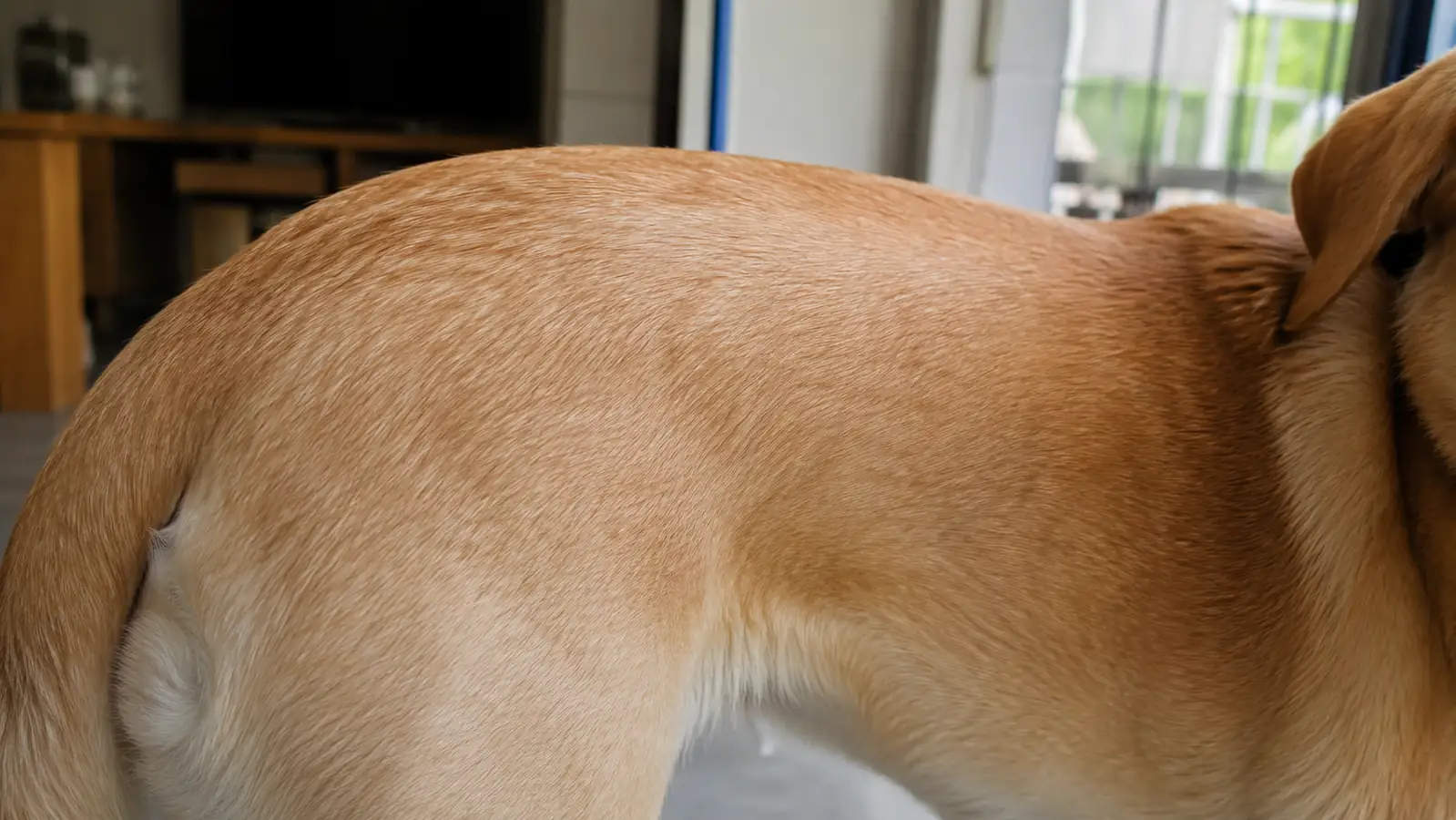
The honest difference-maker here is the undercoat performance. Biscuit's topcoat, the visible, coarser outer layer, was never really the problem. It's the soft, dense undercoat underneath that was driving the tumbleweeds of fur across our floors, and that's exactly what this tool is built to reach. On the wide-tooth side, I could visibly see it pulling loose undercoat out in small clumps that I'd never gotten with a standard slicker brush, which mostly just smoothed the topcoat and left the shedding undercoat sitting right where it was, waiting to fall out on its own schedule instead of mine.
On the topcoat, the fine-tooth side does a solid, unremarkable job. It's not a shine-boosting show brush, and I wouldn't buy it for that purpose alone. What it's good for on the topcoat is catching small tangles before they become real mats, particularly around Biscuit's collar area and behind his ears where friction from his collar tends to create little knots. For a dog with a longer, silkier topcoat than Biscuit's, I'd expect the fine side to matter more day to day than it does for us.
Where I Had to Be Careful
This is the part of the review I think matters most, because it's the part nobody mentions in the five-star reviews. The wide-tooth side is effective specifically because it reaches down into the undercoat, and that means it's also capable of catching skin if you press too hard or use too much force in one spot, especially over bony areas like the hips, spine, or the thin skin behind the legs. In my first couple of weeks, before I'd really calibrated how much pressure was actually needed, I caught Biscuit's skin lightly once near his hip, nothing that broke skin or drew blood, but enough that he yelped and gave me a look that made it very clear I'd overdone it.
After that, I got much more deliberate about letting the tool's own weight and the teeth do the work rather than pressing down myself, and I started doing shorter, more controlled strokes instead of long dragging pulls. Once I adjusted, I never had another issue over the remaining months, but I'd genuinely warn any new owner: this tool rewards a light touch, and it's worth spending your first session or two going slower than feels necessary while you get a feel for how much pressure your dog actually needs, especially over thinner-skinned areas.
What I Considered Instead
Before settling on the Maxpower Planet rake, I looked seriously at a Furminator, which is the name most people mention first when deshedding tools come up. It's a well-regarded tool and I don't think it's a bad choice, but it runs noticeably more expensive, and a couple of the reviews I read mentioned concerns about it cutting the topcoat too aggressively if used incorrectly on certain coat types. Given that this was my first real deshedding tool and I wasn't fully confident in my technique yet, I leaned toward the double-sided design here partly because the finer side gave me a gentler option to fall back on while I learned Biscuit's tolerance. I also looked at a cheap no-name rake at the grocery store, the same kind that had disappointed me before, and skipped it entirely based on past experience.
What I Liked
- Genuinely effective on dense undercoat, not just surface fur
- Teeth held up well over six months with only minimal, barely noticeable dulling
- Comfortable rubber grip even during longer 10 to 15 minute sessions
- Double-sided design covers both undercoat pulling and light topcoat detangling
- Noticeably reduced the amount of loose fur landing on floors and furniture
Where It Falls Short
- Easy to press too hard early on, especially over hips and thin-skinned areas
- Fine-tooth side is only average for topcoat shine, not a specialty finishing brush
- Not something I'd use on a cat without going very slow and very light
- Slight tooth softening visible by month six, though performance hasn't dropped
- Requires a learning curve on pressure before it feels effortless
Once I adjusted my grip and let the teeth do the work instead of pressing down, I never caught his skin again for the rest of the six months.
Who This Is For
This is a solid fit for owners of double-coated dogs like Biscuit who deal with real, visible shedding seasons rather than a light year-round dusting of fur. If you're finding tumbleweeds of undercoat in the corners of your house, or you're going through cheap slicker brushes that never seem to actually pull anything out, this tool does the job a basic brush can't. It's also a reasonable pick for owners who want one tool that handles both undercoat removal and light detangling instead of juggling two separate brushes, and for anyone with hand discomfort who needs a grip that doesn't dig in during longer sessions.
Who Should Skip It
If your dog has a single coat with little to no undercoat, this is probably more tool than you need, and a basic bristle brush like the one I use on Maple will do fine. I'd also be cautious recommending this for a nervous or fidgety dog during your first few sessions, since it takes a little time to dial in the right pressure, and a dog that won't hold still makes that harder to learn safely. And if you're grooming a cat rather than a dog, I'd look for a tool actually designed for cats first. What worked carefully and occasionally on Pepper isn't the same as recommending this as a primary cat brush.
Six months and one shedding season later, this is still Biscuit's brush
If you're staring down your own dog's shedding season, it might be worth checking current availability. See today's price on Amazon before the fur really starts flying.
Amazon Check Today's Price on Amazon →